What the King's Speech 2026 Means for Secure Digital Communications
 Emily Plummer


The King's Speech 2026 placed Digital ID, cybersecurity legislation, and EU partnership on the legislative agenda, with direct implications for how regulated organisations handle identity and secure communications.
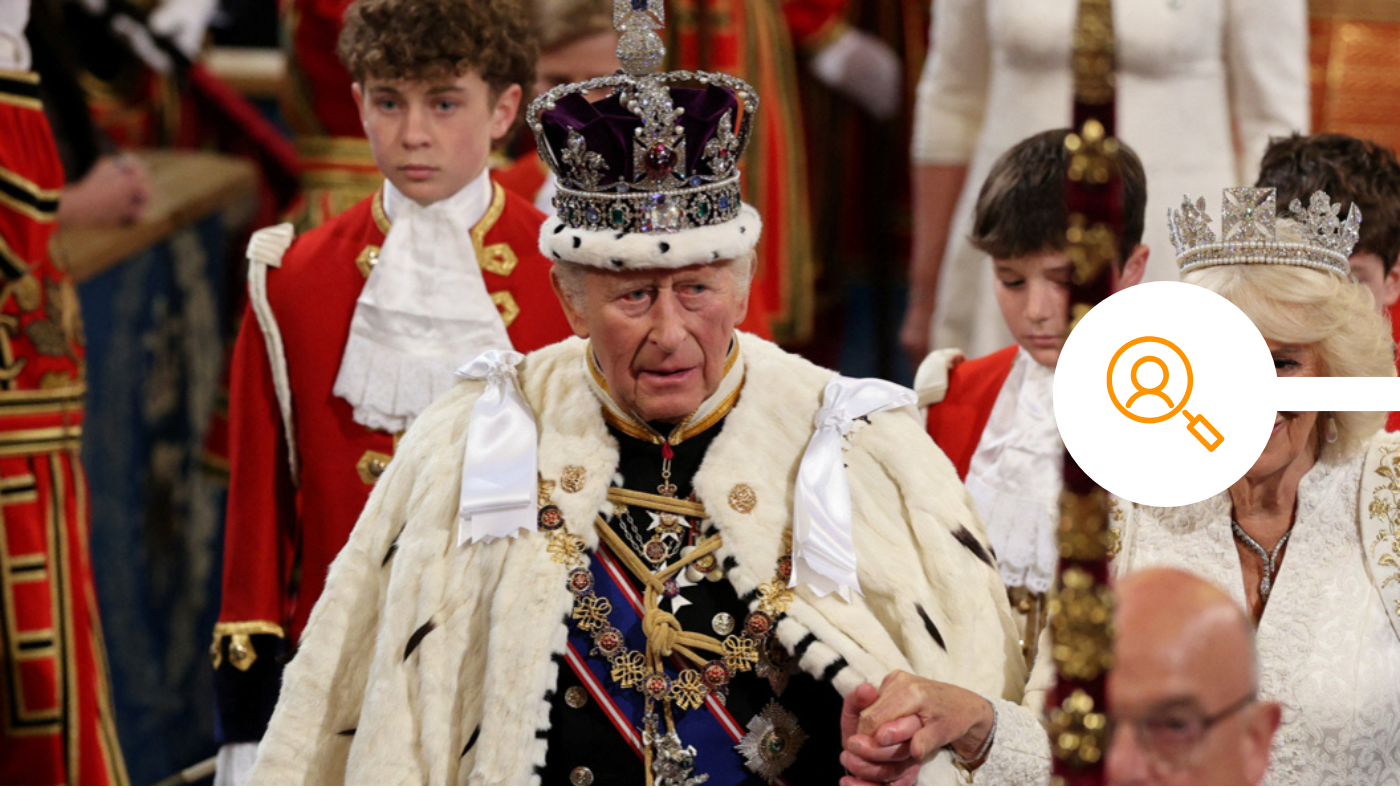
Delivered in the House of Lords on 13 May 2026, the King's Speech set out a programme of legislation touching identity, cybersecurity, EU ties, and national security.
For organisations in regulated sectors, the practical question is how those commitments may affect identity verification, data handling, and evidence of secure communication in everyday workflows.
From the proposed Digital Access to Services Bill to the Cyber Security and Resilience Bill and the European Partnership Bill, the agenda points to greater statutory attention across areas that already matter in compliance reviews.

Four themes in the Speech are especially relevant for organisations reviewing secure digital communication.
Digital ID
The Speech confirmed that the Government will "proceed with the introduction of Digital ID that will modernise how citizens interact with public services", through the Digital Access to Services Bill.
Digital ID appeared as an explicit legislative commitment in the 2026 King's Speech. The detail, scope, and voluntary use of credentials will still need to be read against the Bill text and consultation outcomes as they are published.
For regulated organisations, the implications extend beyond public services. A government-backed Digital ID framework could increase expectations around verified identities, authenticated interactions, and records of consent in digital communication.
Mailock already supports identity verification through document checks, biometric validation where configured, and trusted identity networks such as Origo's Unipass.
As Digital ID policy develops, firms that can show identity-assured delivery for sensitive email may find it easier to explain how they controlled access to personal data.
"When public services move towards digital identity, regulated firms will face more scrutiny over how they verify who receives sensitive information by email. Identity-assured delivery helps show reasonable steps were taken to protect personal data."
Paul Holland, Founder and CEO, Beyond Encryption (Mailock)
The same legislative programme also placed national cybersecurity on the agenda.
Cybersecurity Legislation
The Speech also announced "legislation to improve the country's defences against cyber-security threats", through the Cyber Security and Resilience Bill.
Whilst the scope of that legislation has yet to be defined, cybersecurity is clearly a national legislative priority. For many organisations, the operational starting point is still email workflow risk.
What ICO Breach Data Shows
ICO incident trend data has, for years, placed data emailed to the wrong recipient among the most frequently reported breach categories in the UK.
Misdirected email usually reflects a workflow gap: sensitive information sent without controls to verify the recipient, or to revoke access when something goes wrong.
Secure email built around recipient authentication, AES-256 encryption, and message tracking already supports many of the controls regulators commonly review when organisations handle personal data.
Firms that can evidence those controls may be better placed when the statutory framework arrives, even before the Bill detail is final.
EU Alignment and Data Residency
The Government committed to introducing "a Bill to strengthen ties with the European Union", through the European Partnership Bill.
Whilst the legislative detail is absent at this stage, closer UK-EU regulatory alignment has direct implications for how organisations manage cross-border data flows.
The UK GDPR and EU GDPR both set strict rules on how personal data is processed, stored, and transferred. For UK organisations operating across European markets, or holding data belonging to EU data subjects, jurisdictional data residency is a live compliance question.
Mailock's blob-and-key store model allows the jurisdictional location of encrypted data to be configured at the enterprise level, so organisations can designate where their data resides without compromising the security or functionality of their communications.
As UK-EU regulatory alignment develops, that architectural flexibility may become commercially relevant for firms managing cross-border customer communication.
Foreign State Threats
The Speech introduced legislation "to tackle the growing threat from foreign state entities and their proxies", through the Tackling State Threats Bill.
Alongside the cybersecurity measures, that reflects government treatment of digital infrastructure as a national security concern.
Standard email was not built for a threat environment that includes state-level actors. It offers no encryption in transit by default, no recipient verification, and no practical mechanism for the sender to revoke access once a message is delivered.
Identity-verified communications with advanced encryption, where recipients are authenticated before access is granted and senders retain control after delivery, represent a practical architectural response to that threat model.
The legislative agenda adds national-level weight to controls many regulated firms already review in their own risk assessments.
"National cybersecurity legislation usually lands first as broad duties, then as sector expectations. Architecture that authenticates recipients, encrypts message content, and leaves audit trails gives firms a practical starting point before the detail is final."
Michael Wakefield, CTO, Beyond Encryption (Mailock)
Read together, the Bills outlined in the Speech point to a wider shift in expectations.
Direction of Travel
Taken together, the King's Speech 2026 outlines a legislative environment in which digital identity, cybersecurity resilience, and cross-border data governance will receive greater statutory attention.
Firms that wait for final Bill text before reviewing communication controls can leave preparation until deadlines and scrutiny arrive together.
Questions to Ask Now
- Can you show who opened sensitive messages sent by email?
- Can you revoke access if a message goes to the wrong recipient?
- Can you explain where encrypted message data is stored and processed?
Secure, identity-verified communications that support data sovereignty, provide audit trails, and authenticate recipients can help firms prepare for tighter expectations without waiting for every Bill to pass.
The Speech sets direction. Firms still need operational evidence of how sensitive email is protected today.
FAQs
Which Themes Are Relevant to Secure Digital Communication?
Digital ID, cybersecurity legislation, data residency, EU alignment, and foreign state threats are all relevant themes.
Why Does Digital Id Matter for Communication Workflows?
Identity checks can affect how people access sensitive services, documents, and messages.
What Should Organisations Watch Next?
Follow legislative detail, regulator guidance, and how new identity or cyber requirements affect customer communication processes.
References
The King's Speech 2026, GOV.UK, 2026
Data Security Incident Trends, Information Commissioner's Office, 2025
Data protection, GOV.UK, 2026
Data protection under EU law, European Commission, 2026
Unipass Identity, Origo, 2026
Reviewed by
Sam Kendall, 02.06.26
This content is for general information only and is not legal advice.
|
Originally posted on 14 05 26
Emily, our marketing director, uncovers the human stories behind our products. With 18+ years in tech and SaaS marketing, she excels in content strategy, SEO, brand awareness, PR, events, and social media. |
Email Series
Subscribe to
.svg)
Subscribe to Privacy Decoded, our monthly email briefing about privacy, digital trust, and the forces shaping our online world.
 Previous post